
You know that time is precious to me, which is why I decided to structure this monthly letter as follows: a retrospective on the past month, an encounter with a creative mind, a taste sensation, a reflection to open up new horizons, an enlightening read, and a place where the values of hospitality are those that I love and cherish. TOMO is not just a newsletter. It is a companion that transforms readers’ time into something precious and unexpected.
To find previous editions and receive future ones, click HERE.

#15
Pioneer of time,
sower of emotions
June 17th, 2026
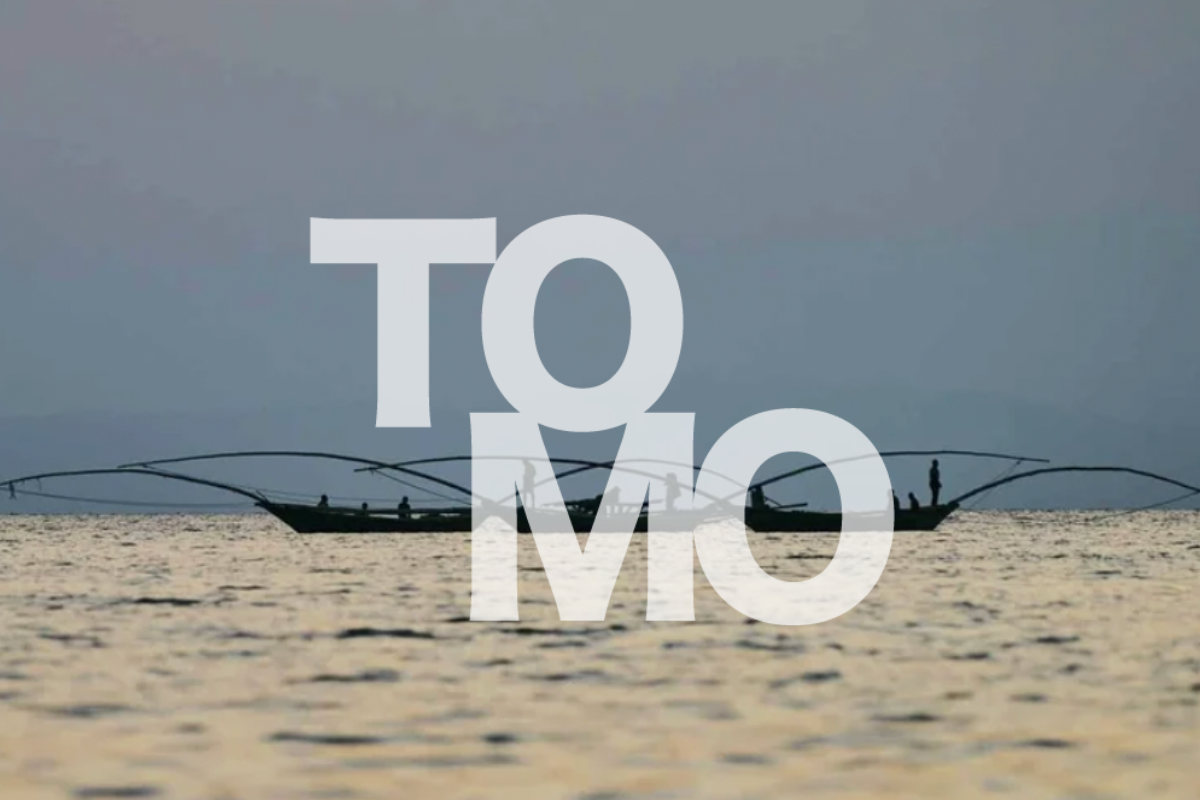
As I write these lines, I should have been in Rwanda with our hosts, at the height of the 700,000 Heures Impact season. But Ebola had other plans. When the outbreak first began, I was not overly concerned, as we were far from the area where the virus initially appeared (in Ituri Province, in north-eastern DRC). Very quickly, however, we learned that cases had been recorded just 14 kilometres from one of our houses. While Rwanda has kept a tight rein on its communications and downplayed the extent of the threat, it was unthinkable for me to expose our members or our teams to even the slightest risk.
It is a tragedy for the country, which is about to begin its tourist season, but we want our guests to travel with a spirit of openness and connection with local communities—not with the fear of contracting a virus. We therefore contacted each of them personally and found solutions to postpone their journeys until next year, on exactly the same dates. Everyone was extraordinarily understanding, which sadly cannot be said of the travel agents. Episodes such as this only reinforce my conviction that there are too many intermediaries in our industry, some of whom seem willing to take health risks in order to minimise financial losses.
As for us, we will recover from this cancellation as we always have. It brings me back to 2020, when Japan closed its borders and we had to rely on the domestic market. Suffice it to say that it was not an overwhelming success. Yet it was a season of learning, and one I remember with great fondness. I have no doubt Rwanda will be the same. For those who were not fortunate enough to plan ahead in time, bookings for summer 2027 are now open again. The programme remains unchanged, as does the price, because we have no wish to pass these losses on to our hosts.
And if you would like to experience a little of our magic over the coming months, Dar Ahlam and the Memory Road are still here…
Warmly,
Thierry
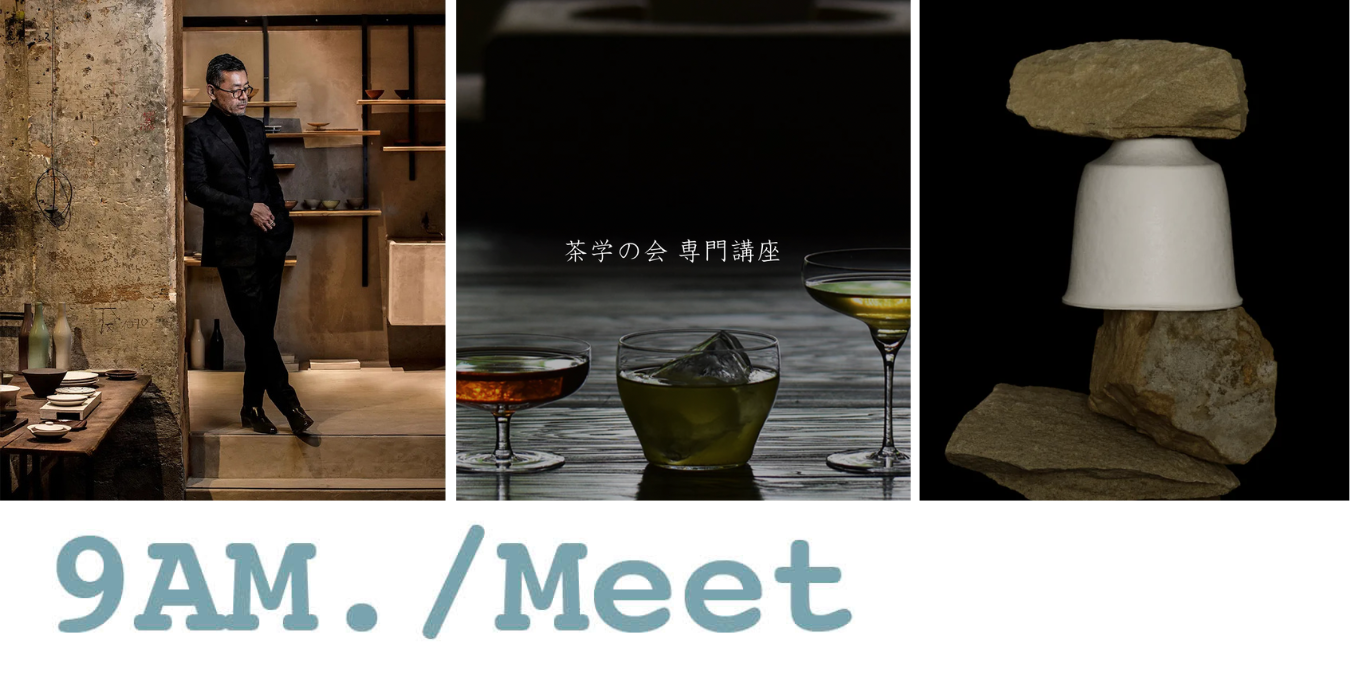
Today, I would like to tell you about a man whose talent goes far beyond the ordinary, and whom I have been fortunate enough to cross paths with on several occasions: Shinichiro Ogata. I spent countless hours exploring his various spaces in Tokyo while furnishing our house in Ine during that memorable 700,000 Hours season in Japan. What particularly appeals to me about this aesthete’s approach is his determination to control the entire experience from beginning to end.
One day, he grew tired of seeing his creations diluted by external elements beyond his control. So he decided to see things through completely and manage every stage of the process himself. For his tea salon, for example, he created the menu of hot drinks, designed the tableware, developed the pastries that would be served, and carefully crafted the entire guest journey. I have experienced his cocktail bar, his restaurant and his tea ceremony. Every time, the result is remarkable because nothing is left to chance. If learning an entirely new craft is necessary to tell a story, he will do it.
I am endlessly impressed by the density of his creativity, and I strongly encourage you to discover his work at his Paris residence, tucked away in the heart of the Marais.
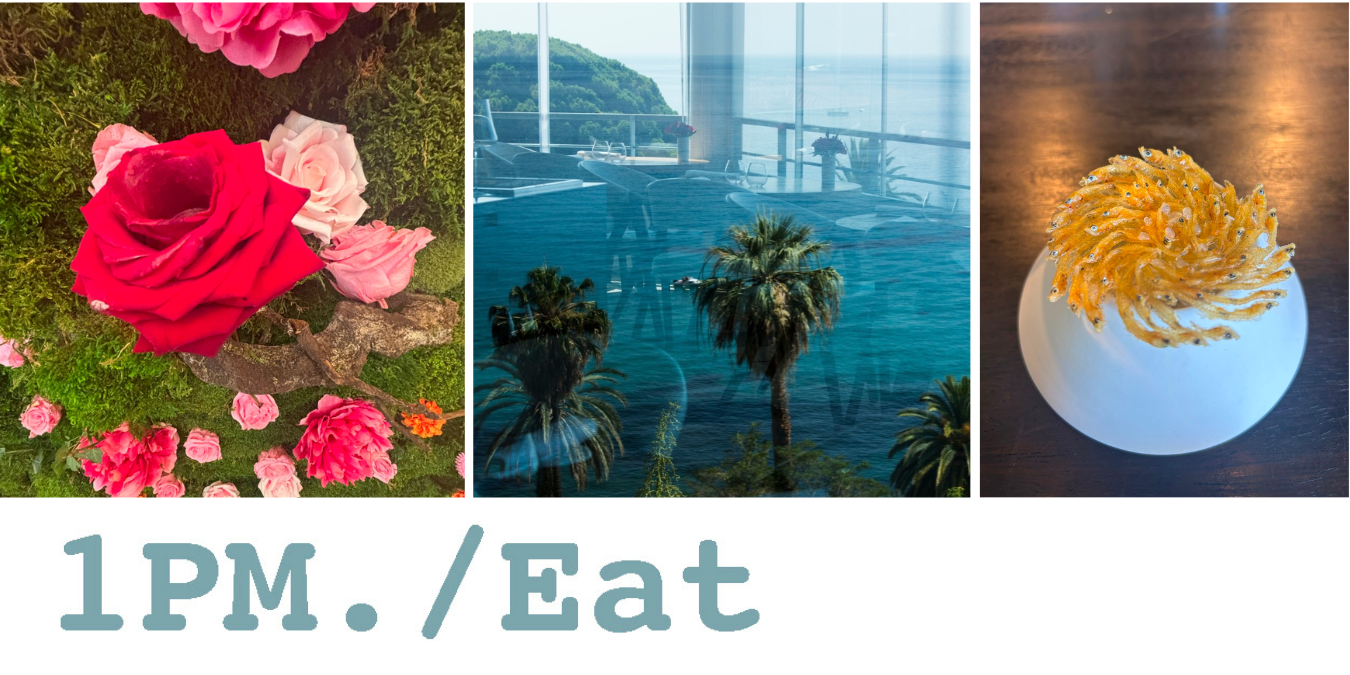
In mid-April, I was in Menton to celebrate the twentieth anniversary of Mirazur, Mauro Colagreco’s restaurant. I had been looking forward to it immensely because, for the occasion, the chef had invited Ferran Adrià to cook for the first time since the closure of El Bulli (which he has since transformed into a foundation that I am eager to visit). To be completely honest, this meal was both the best and the worst at the same time, encompassing the full spectrum of the Metronome (if you are not yet subscribed to TOMO Voices, you can do so here).
The obvious highlight was the quality of the cuisine: extraordinary dishes that were both intellectually ambitious and deeply sensitive.
The unexpected surprise was a heated towel, delicately placed before me with wooden tongs by a waiter (though it would admittedly have been more welcome at a winter dinner than a spring lunch).
The missed opportunity stemmed from a partnership with a Champagne house and a vertical garden where guests could drink directly from a rose blossom. The idea was poetic, but the roses had no fragrance because, I was told, the team had been unable to source an edible variety with a genuine scent.
The false note, as in many fine-dining establishments, came with dessert. As someone who loves sweet things, I struggle to feel satisfied with sorbets, a peeled clementine soaked in sake, a few strawberries and a birthday-cake petit four.
But my real grievance was the absence of the chef. I am not asking him to spend every day of the year behind the stove, but when people have travelled to celebrate such a special occasion in his restaurant, his absence feels like a lack of consideration. Imagine inviting all your friends to celebrate your birthday, asking them to blow out the candles with you—and then not showing up on the day itself.
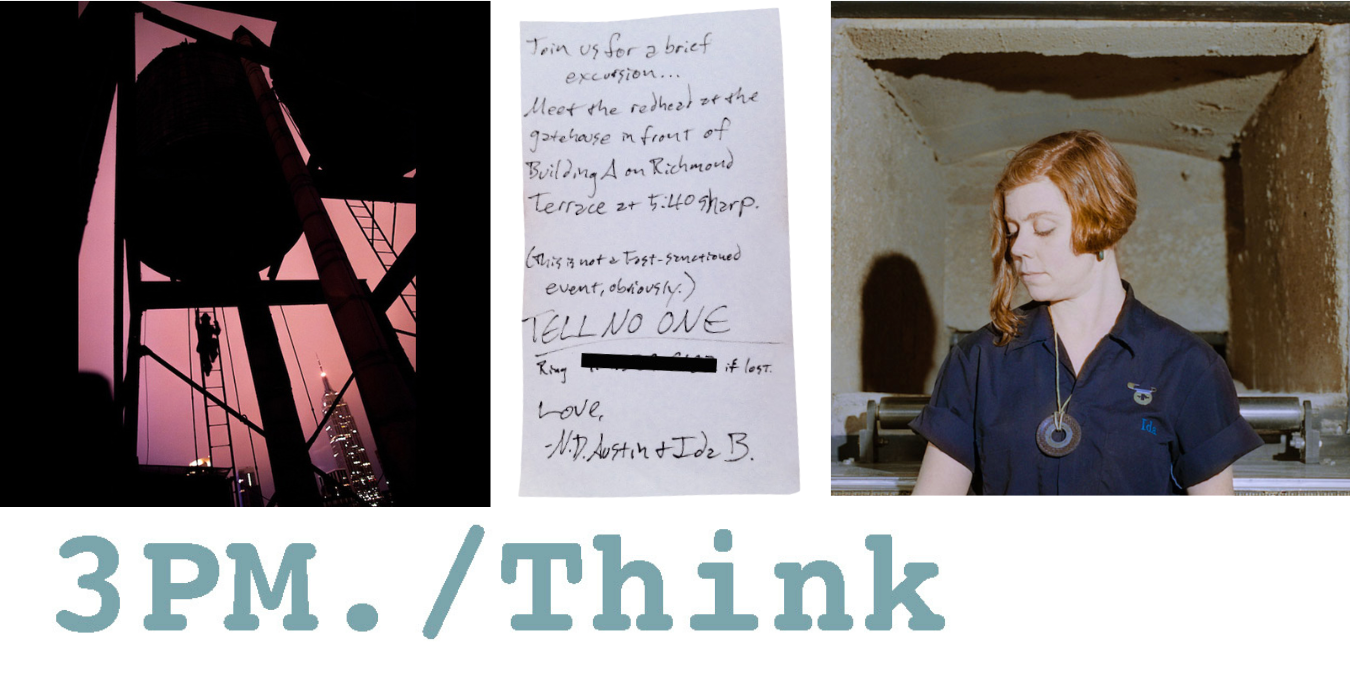
I have the feeling that the world has never been so desperately lacking in madness. Or rather, it has become mad in all the wrong ways, and excessively reasonable where it should not be. I am particularly fond of those videos in which children explain that nobody told them something was impossible, so they simply went ahead and did it. Things are not difficult because we dare not try; they are difficult because we do not dare. One must dare to live life fully, and I admire those who turn that principle into a way of life.
I am thinking in particular of Ida Benedetto, the authority on extraordinary events in New York. In many ways, our approaches are remarkably similar: we both seek to surprise and unsettle those who place their trust in us, embracing transgression with disarming ease. She once told me about an experience she created inside a water tower on the rooftop of a Manhattan building, transforming it into a speakeasy that could only ever be visited once in a lifetime. That story inspired the idea of the secret room for Dar Ahlam’s twenty-fifth anniversary—a place that only guests carrying a special token will be allowed to discover (after leaving their mobile phones outside).
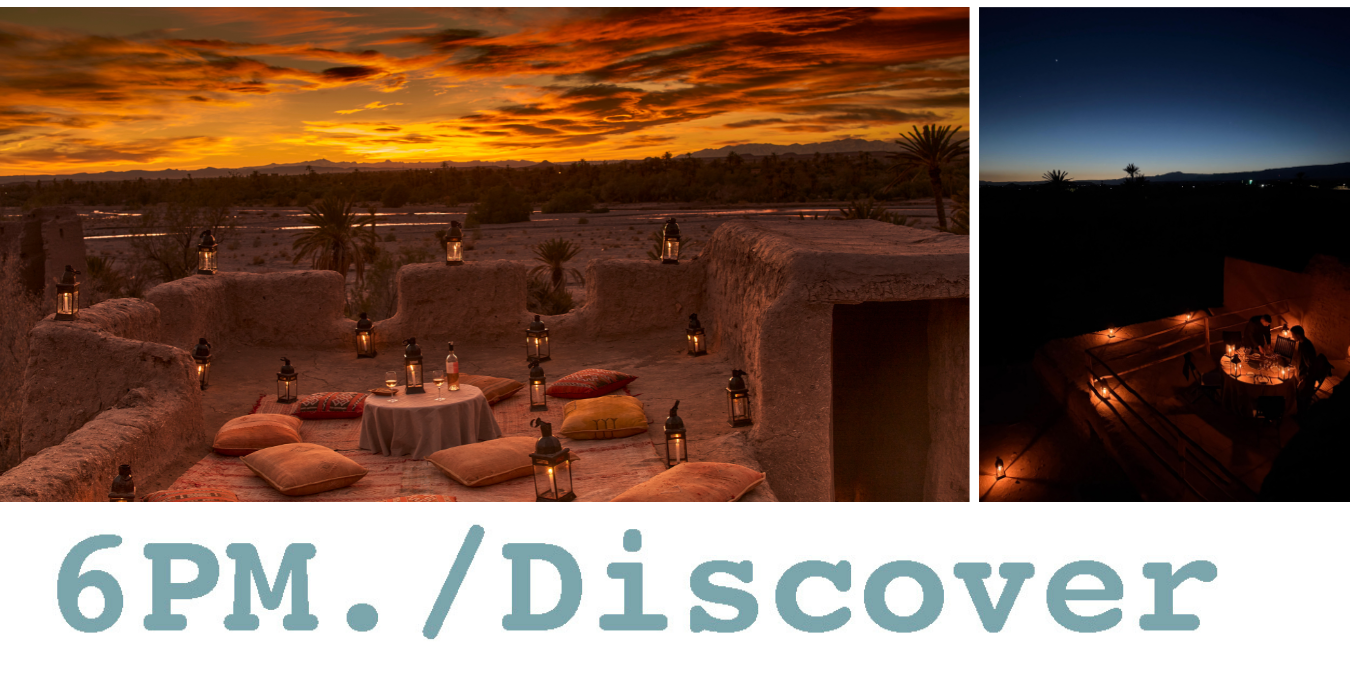
I have always enjoyed organising lunches and dinners in ruined kasbahs, allowing our guests to glimpse what Dar Ahlam looked like before its restoration. Recently, we had the opportunity to acquire one along the wadi, together with a large plot of land that had never been turned into a garden.
Beyond the theatrical meals we stage there, I felt it would be meaningful to celebrate the work of the land itself, which has shaped this region for centuries. As a guest, I have always been frustrated by pottery workshops where the finished piece arrives weeks or even months after a hotel stay—once it has dried, been fired and eventually shipped. I therefore wanted to collaborate with an artist, Bouchra Boudoua, to offer our guests a different possibility.
The House of the Earth will be a place where visitors can create, learn and discover the unique pottery traditions of Skoura and the surrounding villages. In time, we also hope to welcome ceramic artists in residence, enriching us with influences and techniques from around the world.
For those in Paris, Bouchra Boudoua’s work is currently on display at Galerie Daguet-Bresson in the 8th arrondissement until mid-July.
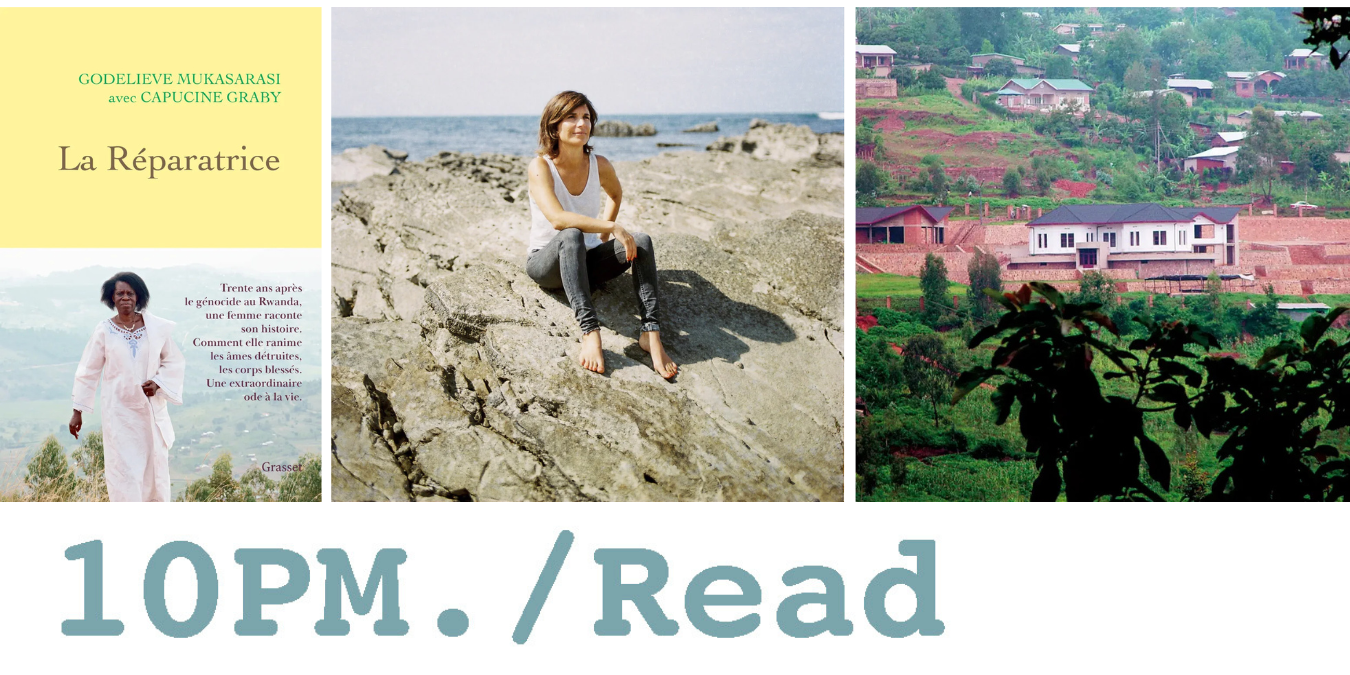
We live in a world where violence is everywhere and, at the same time, has become strangely normalised. I remember the first wars I witnessed from afar—Afghanistan, Iraq. We were all paralysed, and the world seemed to stop turning. Today, conflicts no longer prevent us from carrying on with our daily lives in a state of near-normality. When it comes to speaking out, we often feel obliged to tread carefully around important subjects. Yet I believe it has never been more essential for voices to rise and speak plainly, without looking away or softening the horror. This is precisely what Capucine Graby achieves in La réparatrice.
The reading is difficult, and its descriptions of the Rwandan genocide are brutally graphic. But are these words truly harsher than knowing that the Kigali Genocide Memorial was built above a mass grave containing 250,000 bodies? Is the energy of that place not harder to absorb than any sentence on a page? After visiting the memorial, it took me two days before I could speak about what I had read, seen and learned. The work of remembrance offered by writers such as these is a gift to humanity.
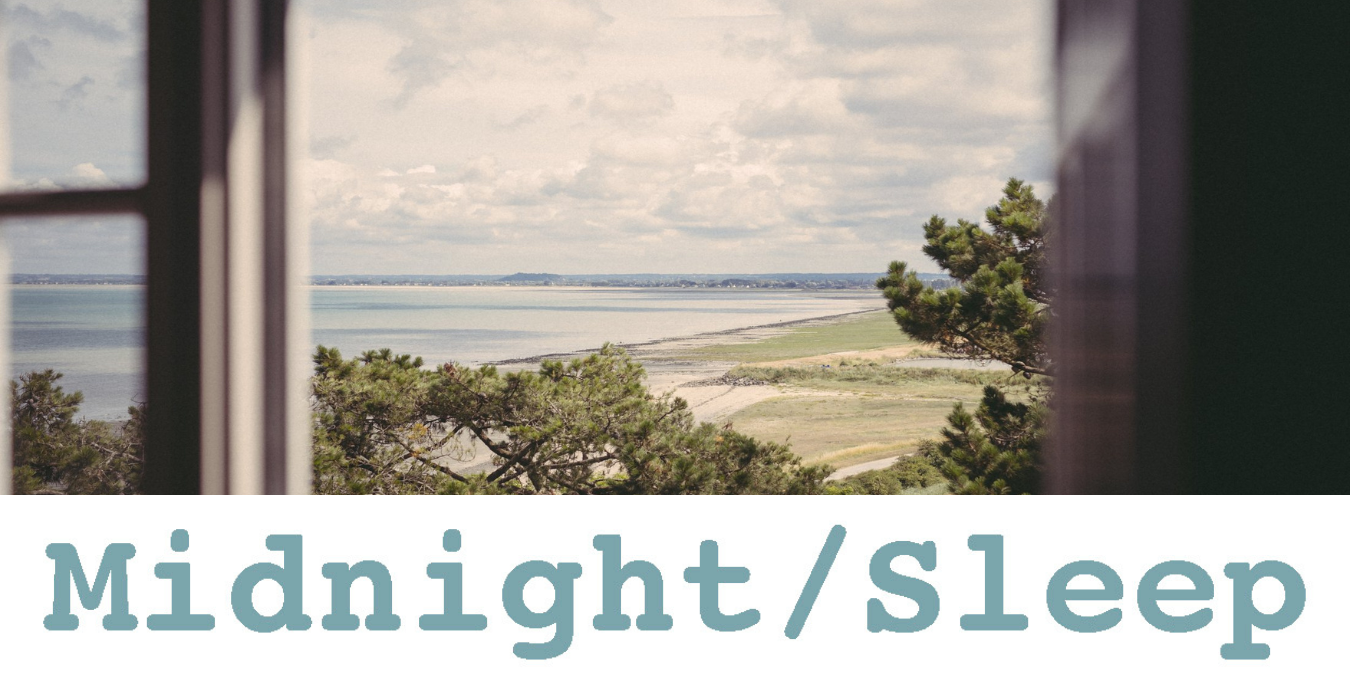
The first time I met Olivier Roellinger was in Greece in 2004, during my Relais & Châteaux induction congress. Among six hundred attendees, we were the only two not wearing tuxedos. I admired his vision and the energy he brought to the association, although neither of us remains involved with it today. This is a man who infuses everything he does with humanity, creativity and poetry.
When his restaurant was still open, I would visit once a year for lunch. Afterwards, we would spend part of the afternoon putting the world to rights, discussing hospitality and transmission. Today, he has succeeded brilliantly in passing on his legacy: gastronomy to his son, spices to his daughter.
I greatly admire what they have built with Les Maisons de Bricourt. Originally, it was simply a townhouse opened to feed and welcome the friends who had supported Olivier during a difficult chapter of his life. I believe their hospitality feels different because it springs from that sincerity. Listening to the family tell stories is like sitting beside a sailor returned from distant voyages and explorations of unknown worlds. His Fermes du Vent are a celebration of simplicity, and a reminder that things never need to be made more complicated than they are.

To follow everything happening around my projects:
> A manifesto published in Monocle, in which I advocate a vision of hospitality as an invitation rather than an obligation—the belief that welcoming a traveller is not a service transaction but a human encounter, and that places must preserve their soul in order to foster a more sensitive, locally rooted form of hospitality rather than a standardised one.
> A conversation with the talented Fanny Auger for her podcast L’Art de l’Attention, exploring subjects that fascinate us both: caring for others, the power of place, and the creation of experiences that leave a lasting imprint.
Photo Credit : Boat by Cyrille Jerusalemi / Portrait Ogata by Pierre Baelen . Ogata / Mirazur . Thierry Teyssier / Yoni Brook . Ida Benedetto / Giulia Panossian . Thierry Teyssier / Grasset . Capucine Graby . Rwanda Genocide Memorial / Roellinger 2026